

A Guideline: How To Choose The Right Fabric
SELECT YOUR PROJECT
There are lots of ways to select your new project, and then work out how to make the design in the most simple way – it’s often a bit of a trial and error approach but it works (most of the time!). Other options are using tutorials or using a pattern. You can also find an item in a shop you like, or something you own already and use that idea (or the actual item) as a basis.
DO YOUR RESEARCH
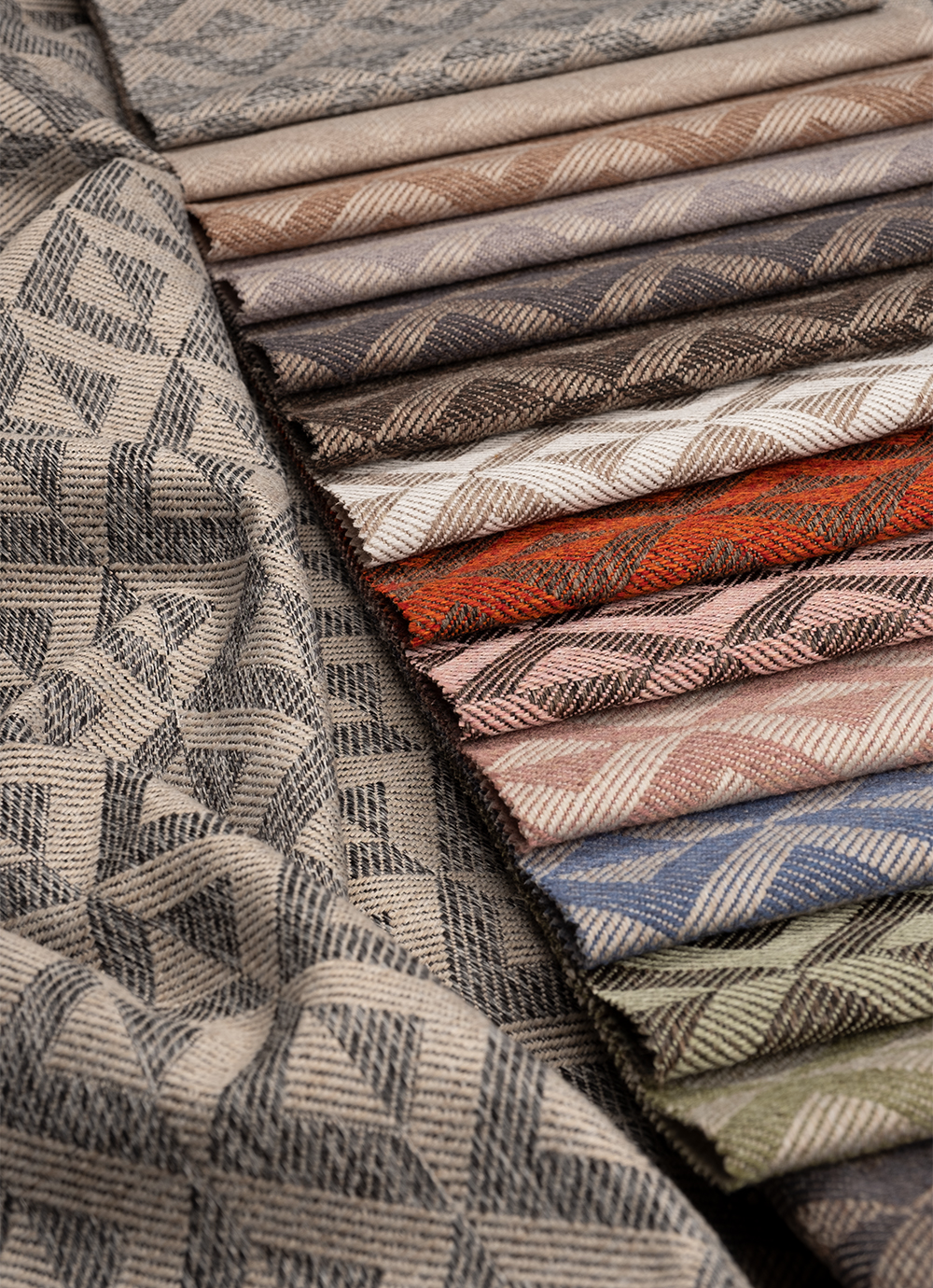
Before you even step foot into the fabric store, it’s worth doing some research about the fabrics you want to use. Always do window shopping and look around at what is in stores and what fabrics are being used. There’s nothing more valuable than being able to touch and feel the texture and composition of fabrics to understand the role fabric plays in your project. For curtains and Upholstery projects a lot of fabrics come in different colors, shades, and compositions to give you variety.
CHECK THE DRAPE
When shopping for the fabric itself, always unroll the fabric a few meters and see how it hangs. The hang or ‘drape’ of the fabric will be a key element in terms of how the Curtain looks on. Notice how silk hangs softly, while linens are heavier with a tendency to be in place when pleated or gathered? At House of Linen, the drape of the fabric is the most important factor we consider in choosing curtain fabrics suitable for your project.
ASSESS THE WIDTH
Fabrics usually come in two widths – single and double widths 60 inches (150cm) or 45 inches (112.5cm) being the most common, and the width of your fabric will determine how much you will need to buy.
DOUBLE-CHECK THE COLOUR
Often the lighting in a store can make a color look different from how it looks in natural light, so always take the fabric into natural light (or near a window) prior to purchasing to match with your entire decor. At the Showroom, we take you through a free consultation about color schemes using mood boards and Pinterest inspiration to guide us through.
TEST THE STRETCH
Pull the fabric between your fingers to test the stretch. Most fabrics will have an element of stretch, particularly when pulled on the cross (diagonal against the grain), and this will be useful to understand. Experts in our field suggest fabrics with little to no stretch because of the wear and natural fall. For curtain and upholstery fabrics, most are neatly woven to give a course structure to withstand natural elements.
VISUALISE YOUR PROJECT
Take the time to visualize what the project will look like in each fabric. Think about the color and drape – will the drape you want to make look good in a light fabric, or would it be better in heavy linen? Think about your own space too – heavier fabrics tend to be more forgiving on the room than light silks.
BUY
Finally, buy your fabric. Make sure that you buy enough for your curtains or upholstery. In general, if shopping for fabrics, purchase a lot at one time, depending on the price of course! That way you have a bit of flexibility when it comes to allowances for the stitching team.