Color Psychology: Does It Affect How You Feel?
How Colors Impact Moods, Feelings, and Behaviors
What Is Color Psychology?
It’s the study of color in relation to human behavior. It aims to determine how color affects our day to day decisions such as items we buy.
Applying Color Psychology to Everyday Life
Did you know your surroundings may be influencing your emotions and state of mind? Do you ever notice that certain spaces especially irritate you? Or that certain spaces are especially relaxing and calming? Well, there’s a good chance that the colors in those spaces are playing a part
In art therapy, color is often associated with a person’s emotions. Color may also influence a person’s mental or physical state. For example, studies have shown that some people looking at red resulted in an increased heart rate, which then led to additional adrenaline being pumped into the blood stream.
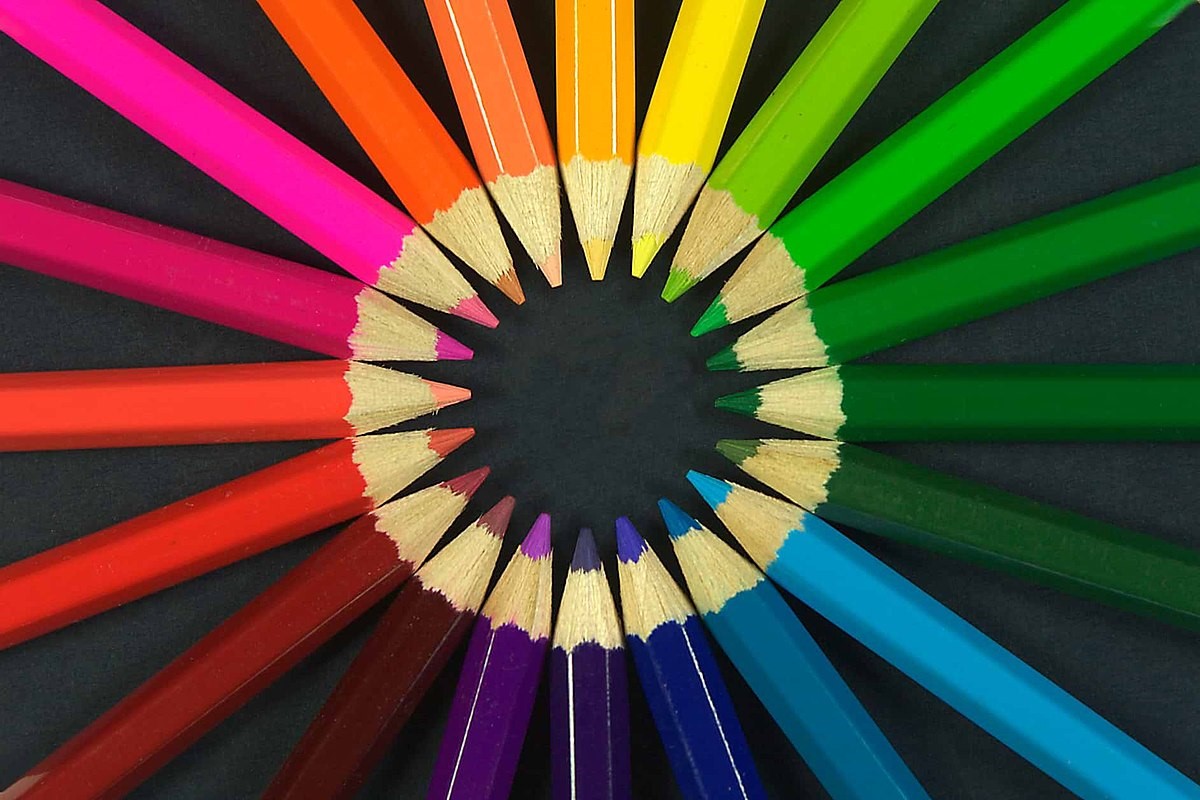
There are also commonly noted psychological effects of color as it relates to two main categories: warm and cool. Warm colors such as red, yellow and orange can spark a variety of emotions ranging from comfort and warmth to hostility and anger. Cool colors such as green, blue and purple often spark feelings of calmness as well as sadness.
Psychological Effects of Cool Colors
Need to be creative? Try utilizing the color purple. Purple utilizes both red and blue to provide a nice balance between stimulation and serenity that is supposed to encourage creativity. Light purple is said to result in a peaceful surrounding, thus relieving tension. These could be great colors for a home or business office.
Are you looking for a peaceful and calming environment? You might consider using green and/or blue. These cool colors are typically considered restful. There is a bit of scientific logic applied to this – because the eye focuses green directly on the retina, it is said to be less straining on your eye muscles.
Blue is suggested for high-traffic rooms or rooms that you or other people will spend significant amounts of time. Another cool color, blue is typically a calming and serene color, said to decrease respiration and lower blood pressure. The bedroom is a great place to use these colors as they should help you relax.
Psychological Effects of Warm Colors
Want to create an environment of stimulation or whet people’s appetite? You might consider utilizing the colors yellow or orange. These colors are often associated with food and can cause your tummy to growl a little. Have you ever wondered why so many restaurants use these colors?
You do want to be careful about using bright colors like orange and especially yellow. They reflect more light and excessively stimulate a person’s eyes which can lead to irritation. You also probably don’t want to paint your dining room or kitchen these colors if you’re a calorie-counter.
Psychology of Color for Marketing & Advertising
Marketing and advertising are well-known for utilizing color psychology. The fact that some companies have heavily invested in this type of research and many others have followed through in its use shows they have at enough belief in the concepts of color psychology to implement them in their advertising.
Color is consistently used to make people hungry, associate a positive or negative tone, encourage trust, feelings of calmness or energy, and countless other ways.
Color and Consumer Purchases
Color psychology suggests that various shades can have a wide range of effects, from boosting our moods to causing anxiety. But could the color of the products you purchase ever say something about your personality? For example, could the color of the curtains you buy somehow relate to some underlying personality traits?
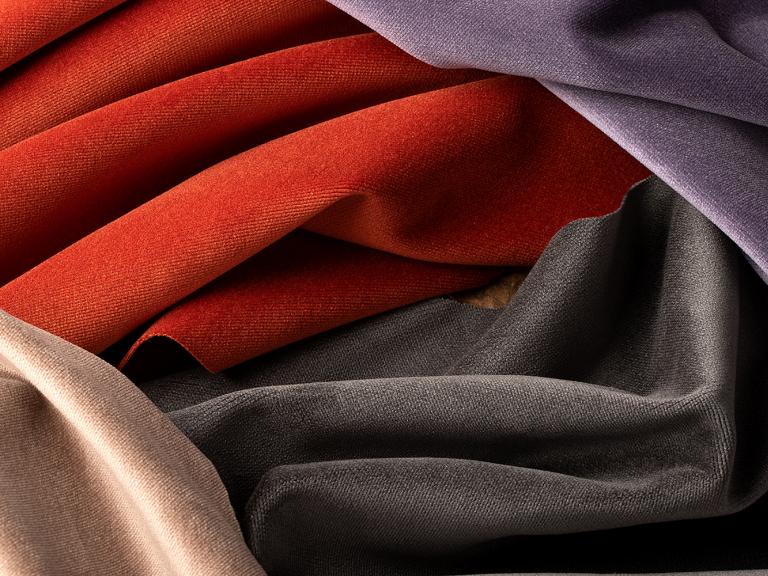
Your color preferences while buying items might say something about the type of image you may be trying to project. Color preferences, from the curtains you drape to the cloths you wear, can sometimes make a statement about how we want other people to perceive us. Other factors such as age and gender can also influence the color choices we make.
- White: As suggested, the color white can feel fresh and clean. The color is often used to evoke a sense of youth and modernity.
- Black: Often describe black as a “powerful” color, which might be the reason why black is the most popular color for luxury vehicles. People often describe the color as powerful, mysterious, and even ominous.
- Silver: It’s the third most popular color for vehicles and linked to a sense of innovation and modernity. High tech products are often silver, so the color is often linked to things that are new, modern, and cutting-edge.
- Red: Red is a bold, attention-getting color, so preferring this type of car might mean you want to project an image of power, action, and confidence.
- Blue: People often describe blue as the color of stability and safety. might indicate that you are dependable and trustworthy.
- Yellow: According to the experts, might mean that you are a happy person in general and perhaps a bit more willing than the average person to take risks.
- Grey: The experts suggest that people who drive gray cars don’t want to stand out and instead prefer something a bit more subtle.
Of course, the color selections we make are often influenced by factors including price, selection, and other practical concerns. Not only that, but color preferences can also change in time.
A person might prefer brighter, more attention-getting colors when they are younger, but find themselves drawn to more traditional colors as they grow older. The personality of the buyer can play an important role in color selection, but buyers are often heavily influenced by factors such as price as well as availability.