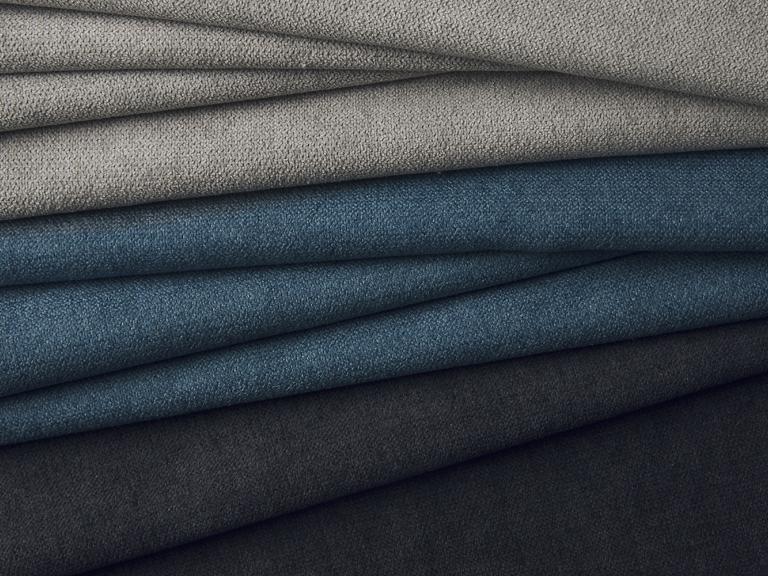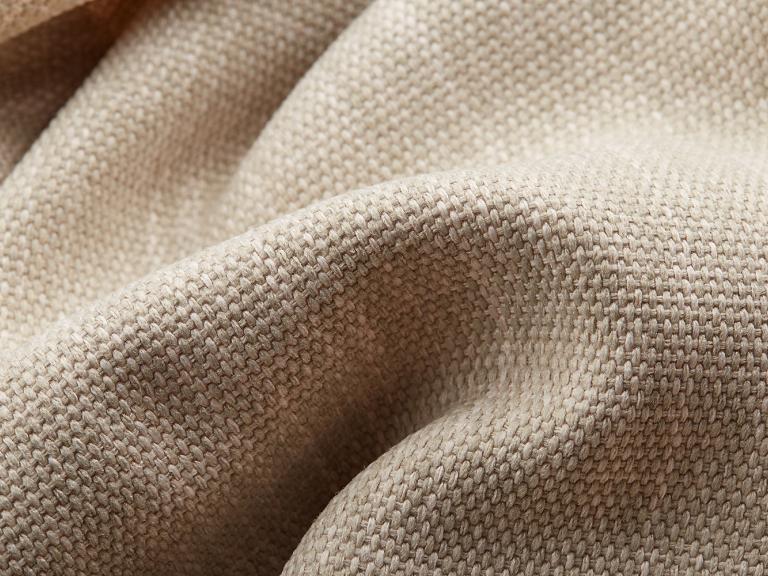

There are two key types of fabric, Natural & Synthetic.
What Are Natural Fibers?
Natural fibres are fibres made from natural materials that come from plants, animals, or minerals.
Advantages of Using Natural Fibers
Natural fibres are popular for many reasons, as the fabric is more environmentally friendly and durable.
-
-
Absorbent.
Natural fibres have a high absorbency, as the fibres, both plant and animal, have a potent attraction for water. This makes natural fibres a great option for bedsheets and towels, as absorbency is an important factor for these items because they’re used to dry surfaces and receive regular use.
-
Eco-friendly.
Natural fibres are more environmentally friendly compared to synthetic fibres because their production process uses fewer chemicals. Some natural fibres are less eco-friendly than others because some plants require more water.
-
Durable.
Because of the structure of the fibre, which makes up natural materials, most plant-based fibres are very strong. Animal-based fibres, like silk and wool, are also strong.
-
Examples of Natural Fibers
-
- Silk: This is a natural fibre produced by insects as a material for their nests and cocoons. The most common type of silk comes from silkworms. The primary component in Silk is a protein called fibroin which is known for its shine and softness as a material.
- Wool: Wool is a textile from the hair of sheep, goats, and other animals. Wool is a warm, absorbent, and enduring fibre. It is water-resistant, thanks to the lanolin oils from the animals, and it is applied to make outerwear and cold-weather clothes like sweaters and coats.
- Cotton: They make Cotton fabric from the cotton plant. Cotton’s primary component is fibre, an insoluble organic compound of soft and fluffy material. Often used to make t-shirts and undergarments.
- Linen: Linen fabrics are strong and lightweight, made from the flax plant. Due to its hypoallergenic nature Linen is very breathable. This makes it a great textile for warm-weather clothes.
What Are Synthetic Fibres?
Synthetic fibres are made of synthetic materials, usually formed through chemical processes.
Advantages of Using Synthetic Fibers
Since synthetic fabrics are man-made, artificial fibres, they have many benefits for daily use including their affordability & stain and water resistance.
-
- Cheaper.
Synthetic fibres provide cheaper alternatives to natural products. Many synthetic fabrics are imitation versions of natural fabrics, like wool and silk. - Stain-resistant.
Synthetic fabrics are more stain-resistant, and they even design some to resist staining, therefore synthetic clothing can be great for regular wear. - Waterproof and water-resistant.
The design of Synthetic fibres is such that they can be almost waterproof, so they are great for outdoor and rain gear.
- Cheaper.
Examples of Synthetic Fiber
-
- Polyester. Polyester is a synthetic fibre created from coal and petroleum. Polyester’s key characteristic is its durable nature; however, the material is not as breathable but this is compensated for by its ease of use and maintenance. We use polyester fabrics for curtains. They are recommended as they are easy to produce and help to keep the world green.
- Rayon. Rayon is a semi-synthetic fibre made from reconstituted wood pulp. Though rayon is made from plant fibres, we consider it semi-synthetic because of the chemicals used in the production process. Rayon can be an imitation form of silk, wool, and other fabrics, and examples of rayon include viscose and lyocell.
- Spandex. Also known as Lycra or elastane, Spandex is a synthetic fibre characterized by its extreme elasticity. Spandex is a blend of several types of fibres. It is used to add stretch and used for everything from jeans to athleisure to hosiery. Fun fact: Spandex is an anagram of the word expands.
- Acrylic fibres. Acrylic fibres are synthetic fibres made from polymers formed by acrylonitrile or vinyl cyanide. We often consider acrylic a ball of imitation wool because of its heat retention qualities. It is used to create fake fur and fleece.
For Curtains and Sheers and Upholstery, fabrics BUY HERE